
Operator layer · Ground + air
Describe the task.
Your safety rules and facility layout stay yours. Volant only proposes actions inside them.
Simulation first — nothing physical moves without a preview and a human gate.
One operator loop across humanoids, AMRs, industrial arms, and drones.
Designed to align with the EU AI Act and the Machinery Regulation.
01
A mixed fleet, one operator layer
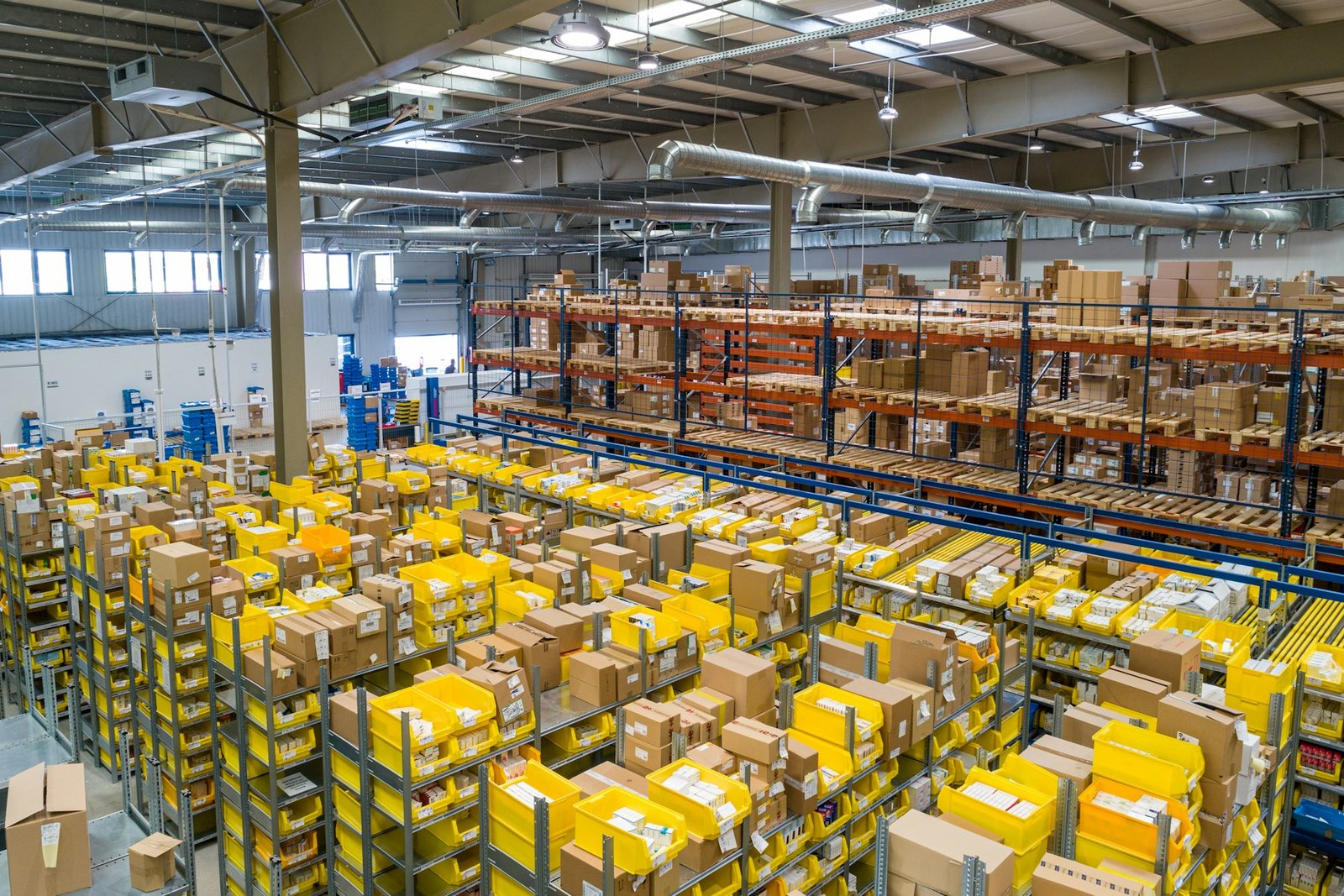
Ground and air embodiments on the same intent → simulate → approve path. Illustrative photography of industrial robots and drones — not a named customer deployment.




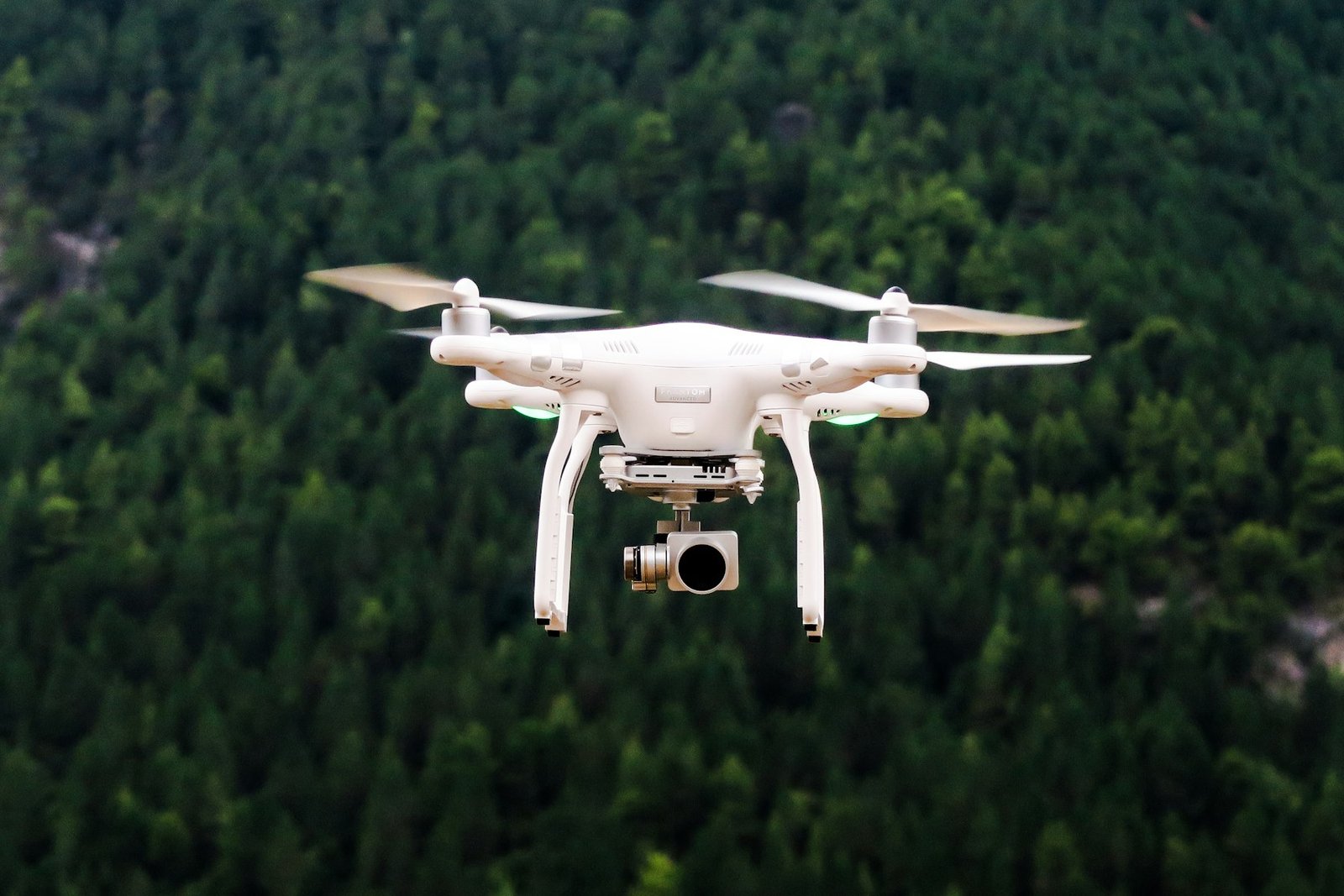
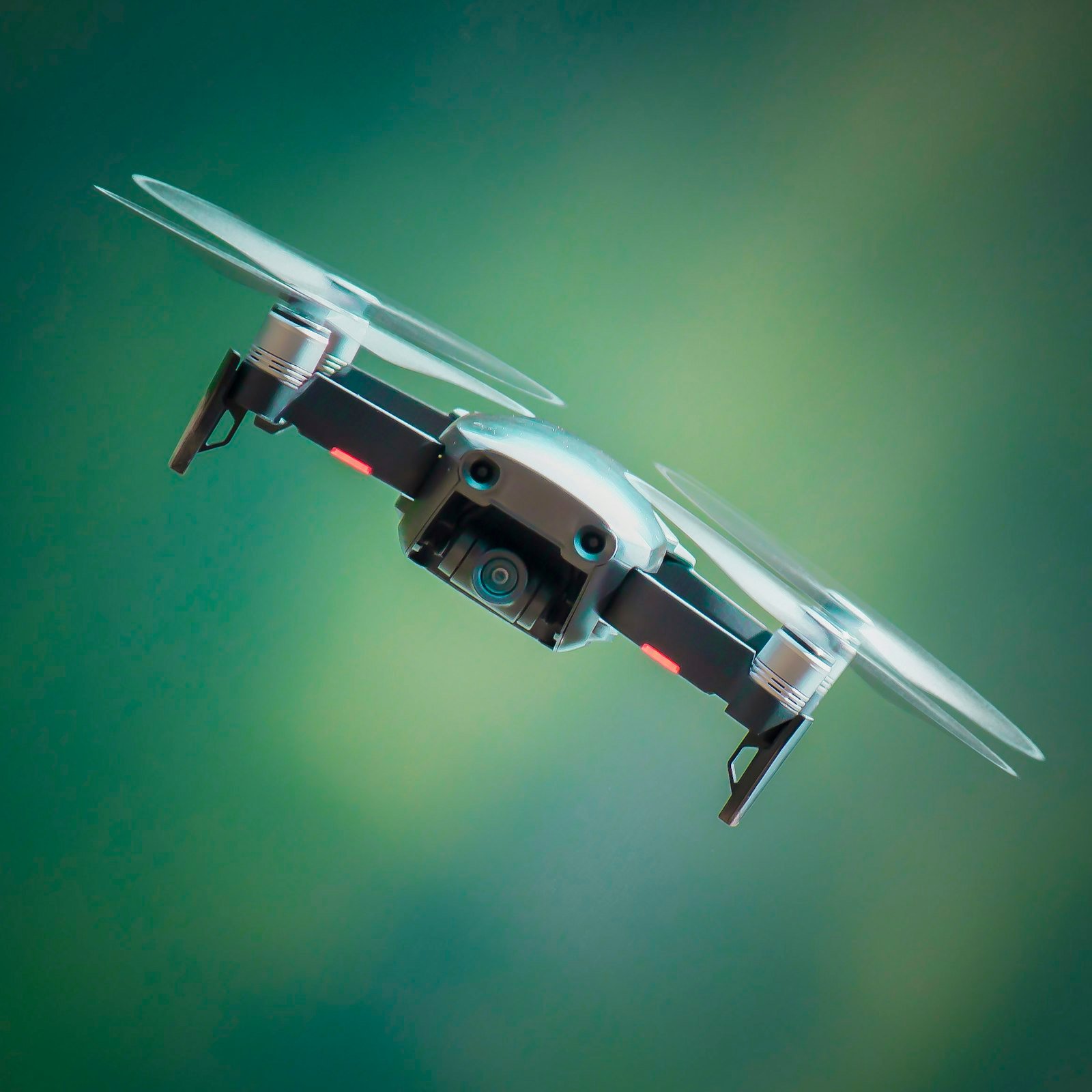

Illustrative photographs of industrial robots, warehouse vehicles, and drones. Not customer sites. Not OEM endorsements.
Embodiment types — vendor-agnostic silhouettes
Tasks completed this month
1,284
Autonomy rate
67%
Safety interventions avoided
41
Fleet availability
98.2%
Time returned to operators
186 h
Illustrative dashboard — synthetic placeholder data, not live fleet metrics.
02
How it works
A numbered path from intent to fleet — with a human approval gate before anything physical happens.
- 01
Describe the task
An operator gives a plain-language instruction. No ROS, no vendor IDE, no code.
- 02
Task graph generated
The system composes certified primitives — pick, place, navigate on the ground; takeoff, patrol, formation, geofence in the air.
- 03
Safety validation
Every graph is checked against the facility’s own safety zones and hardware limits. Your rules stay yours; Volant only proposes inside them.
Calculate what this saves on your line → - 04
Simulation run
Physics, collision, and timing are checked before anything touches the real robot or drone.
- 05
Human approval
A video preview and a diff of what will change. Nothing executes without sign-off.
Calculate what this saves on your line → - 06
Deployment
The graph compiles to vendor-specific commands — ROS 2 for ground, MAVLink / PX4 for air — and pushes to the fleet.
- 07
Fleet monitoring & flywheel
Real-world outcomes feed a shared skill library so the next instruction starts from verified behavior, not a blank slate.
Calculate what this saves on your line →
ROI calculator
A conservative estimate of hours and cost returned to your team. Transparent math — not a sales gimmick.
Estimated hours saved / month
85.6 h
Estimated cost saved / month
€5,566
Assumptions (conservative): 40% of reprogramming hours returned; 25% of unplanned downtime hours avoided. 4.33 weeks/month. Figures are directional estimates, not a guarantee.
03
Two embodiments, one platform
Ground
Industrial and humanoid robots: pick, place, navigate, kit, and de-stack as certified primitives — same orchestration core, vendor-specific compile at the edge.
Air
Drones and swarms, drawing on the SWARMind research lineage: takeoff, patrol, formation, and geofence as primitives — the same intent, safety, and approval loop.
04
Built for the sites that build and move the world
The same safety-bounded loop in yards, plants, corridors, and airspace you already operate.



05
Built for Europe
Simulation-first deployment and a human-in-the-loop gate are a compliance posture, not paperwork after the fact. Designed to align with the EU AI Act and the Machinery Regulation.
Read the safety & compliance postureSocial proof
What operators measure
Placeholder quotes with required hard numbers. Replace with named pilots only after written permission.
“Task reconfiguration dropped from a full shift to under two hours — 62% less operator time on the same line.”
“We recovered 18 hours of unplanned downtime in the first month of simulated rollouts before anything ran live.”
“Autonomy on approved patrol loops reached 71% while every flight still sat behind a human gate.”